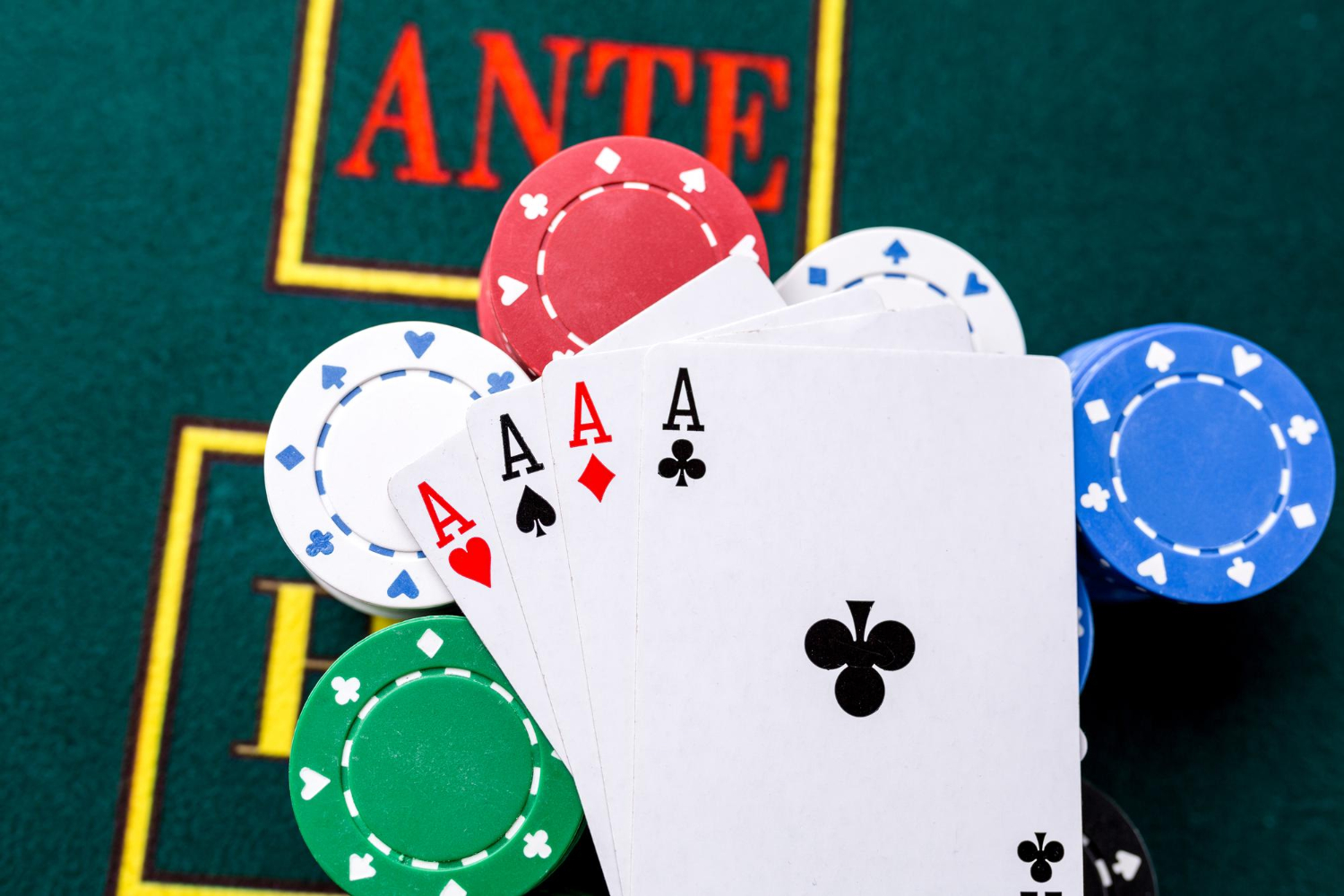
Casinos are more than bright lights and clinking chips—they’re a reflection of the cultures that surround them. From the sprawling resorts of Las Vegas to the glitzy mega-casinos of Macau, the ways people play, celebrate, and interact at tables vary widely. Culture influences risk tolerance, social interaction, preferred games, and even attitudes toward luck and strategy. By looking at global gambling styles, we can see how local customs and traditions shape behavior in ways that go far beyond money.
The Social Table: Community vs. Individual Play
 In some cultures, gambling is a communal activity, while in others it’s highly individual. In Macau, for example, baccarat tables often feel like social gatherings where friends and family cheer each other on and share advice. Meanwhile, in many Las Vegas casinos, slots and poker tables attract people who prefer solitary play or quiet competition. Even within the same type of game, the social norms around conversation, cheering, and celebration differ, showing how cultural context impacts the overall experience. For emerging markets, including players, communal games can help newcomers feel connected.
Risk Tolerance and Betting Patterns
Culture also affects how much people are willing to risk. In the U.S., players often start with small bets, gradually increasing stakes as confidence grows. In contrast, high-stakes betting is more common in parts of Asia, where taking big risks is sometimes tied to cultural ideas of fortune and bravery. These patterns influence not just how people play, but which games dominate local casinos. Understanding these tendencies can explain why some casinos focus heavily on slots, while others dedicate entire floors to card games.
Attitudes Toward Luck and Strategy
Beliefs about luck, superstition, and skill differ from place to place. In Macau and other Asian gambling hubs, players often engage in rituals—specific seating choices, lucky charms, or numerology-inspired bets—that reflect deep-rooted cultural traditions. In Western casinos, while superstition exists, there is generally more emphasis on strategy and probability, particularly in games like poker and blackjack. These contrasting approaches show that gambling is never purely about chance; it’s also a reflection of cultural narratives around fate, skill, and control.
Casino Atmosphere and Design Preferences
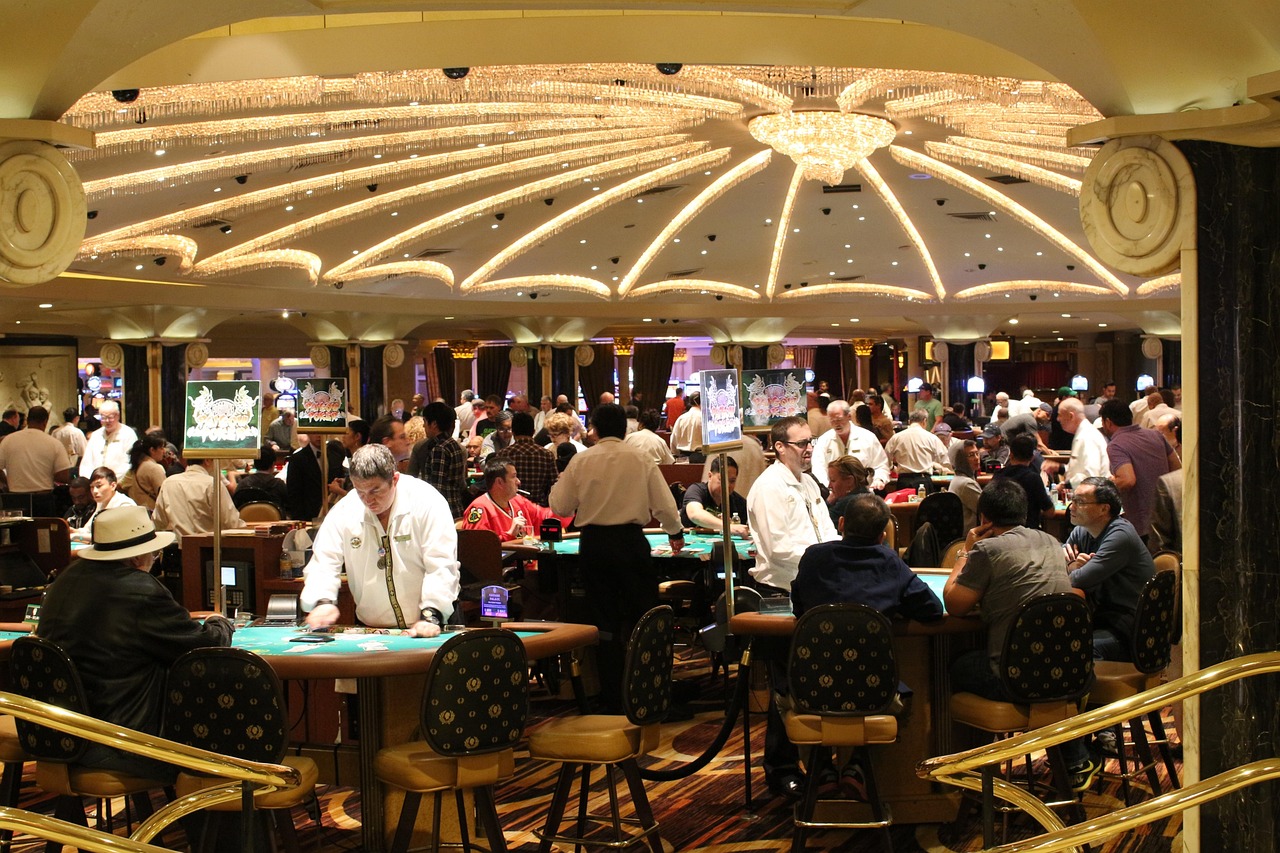
The layout and design of a casino often reflect local cultural preferences. Las Vegas resorts are massive, with themed hotels, entertainment shows, and bright neon, creating an immersive spectacle. Macau casinos, while equally grand, often emphasize elegance and accessibility for high-stakes table players. Cultural expectations around noise, space, and comfort subtly influence the gaming experience, demonstrating that atmosphere and environment are as important as the games themselves.
Learning and Sharing Practices
Cultural approaches to learning and sharing strategies also vary. In Macau, experienced players often mentor newcomers at the table, sharing techniques and insights. In Las Vegas, the culture encourages independence and personal experimentation, with less direct guidance. These differences shape how quickly players develop skill and confidence, and they influence the overall community vibe within the casino.
From Las Vegas to Macau, gambling styles reflect far more than money—they mirror culture, tradition, and social norms. Preferences for social play, risk tolerance, superstition, and mentorship all demonstrate how deeply local customs shape the casino experience. Understanding these cultural influences enriches the way we view gambling globally and reminds us that every table tells a story beyond the chips and cards.